Army Trap Exposes 21-Year-Old Fake Brigadier in Shahjahanpur, UP; Accused Arrested
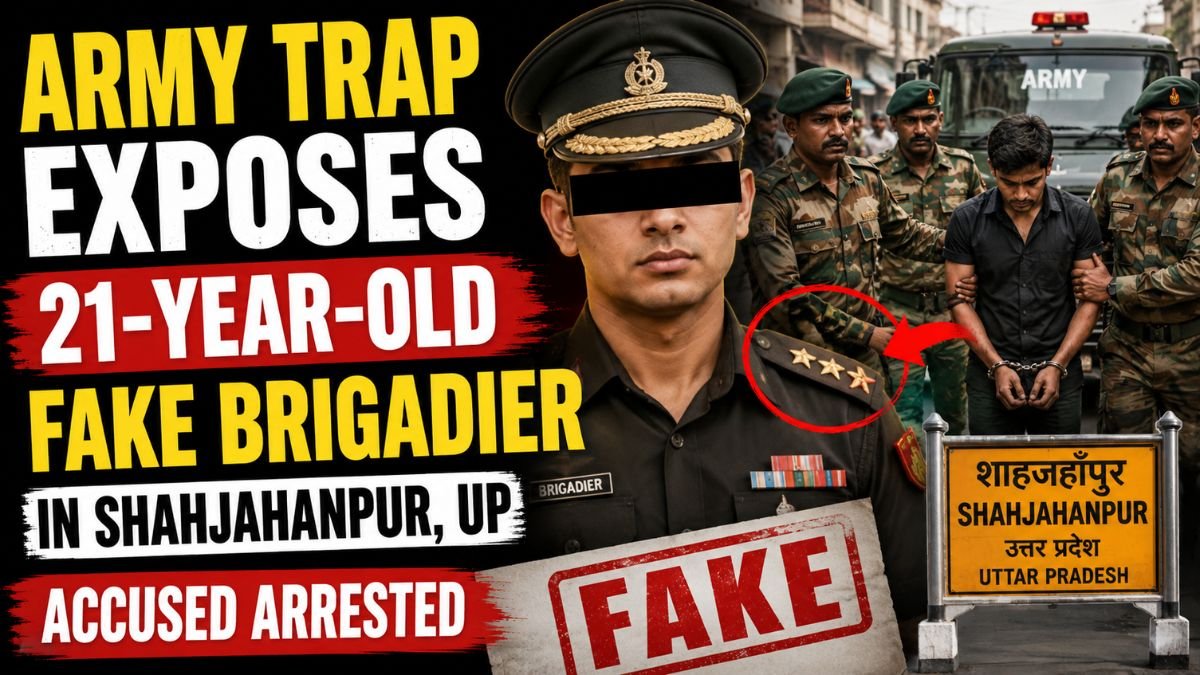
A shocking incident has come to light from Shahjahanpur, Uttar Pradesh. A 21-year-old man was allegedly impressing people by posing as an army brigadier. However, his ruse did not last long; he was apprehended following a coordinated operation by the Army. The case has now sparked a discussion regarding identity fraud and security protocols.
A young man adopts the guise of a fake brigadier
According to reports, the accused presented himself as a senior officer of the Indian Army. Claiming such a high rank—brigadier—at such a young age was inherently suspicious. Nevertheless, he tried to project the image of an influential army officer. He allegedly used Army-related paraphernalia to conceal his true identity and impress others.
The army initiates an investigation and devises a plan
The Army took the matter seriously once suspicions arose regarding the young man's activities. Instead of acting hastily, officials gathered comprehensive information. A plan was then formulated to apprehend the accused safely. The Army team laid a trap into which the accused walked right in.
Accused walks into the army's trap
Reports indicate that under the trap set by the Army, the accused was summoned to a location where his true identity could be exposed. The young man was likely unaware that he was already under scrutiny at the very place and by the very people he was meeting. Once sufficient evidence was secured, the Army and relevant officials took action and arrested him
A case of misleading people by posing as an officer
Misusing an Army-related identity is considered a serious matter in any country. The rank of an army officer carries immense honor and responsibility. If an individual fraudulently claims to be an officer, it can compromise both security and public trust. This incident raises the question of how people fall prey to such fraudulent identities.
Questions raised over claiming a high rank at a young age
Claiming a high rank like 'Brigadier' at the age of 21 came as a surprise to many. Reaching such a senior position in the Army requires extensive experience, training, and a long service record. Consequently, investigative agencies grew suspicious and initiated a thorough probe into the matter.
Crucial role of security systems and vigilance
This case demonstrates that security agencies do not overlook any suspicious activity. Army vigilance led to the exposure of a potential fraud. Timely investigation and the right strategy enabled the apprehension of the accused. The incident also highlights the robustness of the security apparatus.
Risks associated with social media and identity misuse
In today's digital age, creating a fake identity has become easier than ever. People often attempt to project a false image using social media or forged documents. Creating a fake identity linked to the Army, police, or a government position is a criminal offense that can lead to serious consequences
Full truth to emerge after investigation
Following the accused's arrest, further investigation is underway. Officials aim to determine why the youth assumed this identity, whether he defrauded anyone, and if others were involved. The complete picture of the case will emerge only after the investigation concludes.
Lessons to be learned from cases involving fake officer
The Shahjahanpur incident serves as a warning against blindly trusting anyone's identity claims. Verification is essential, especially when someone claims to hold an Army or government position. The role of security agencies remains vital in preventing such incidents in a timely manner.
Conclusion
The case of the 21-year-old youth in Shahjahanpur—who posed as a brigadier before being caught in an army trap—is unusual yet serious. This incident underscores the fact that law enforcement and security agencies keep a close watch on any illicit activity. The Army's action not only exposed a fake identity but also sent a message that strict action would be taken against those who tamper with the country's security and the dignity of its institutions.
Related News